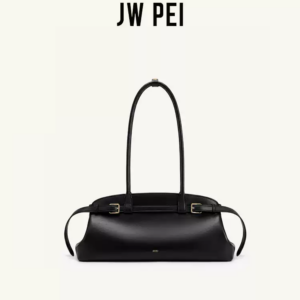
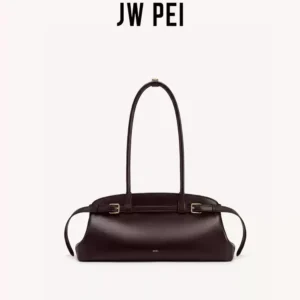
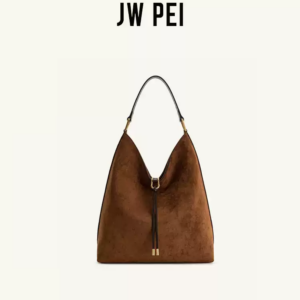
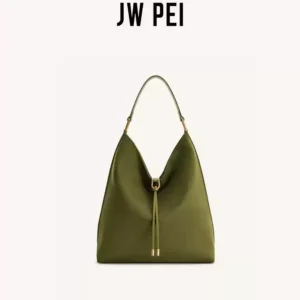
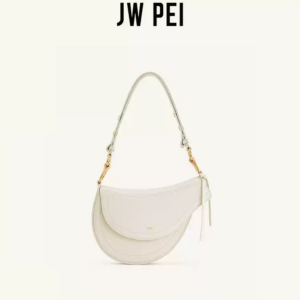
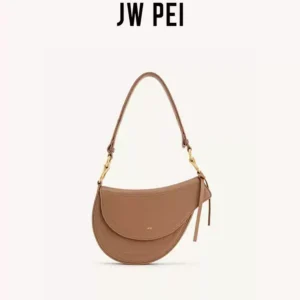
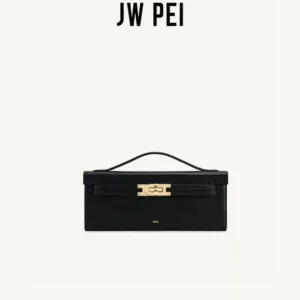
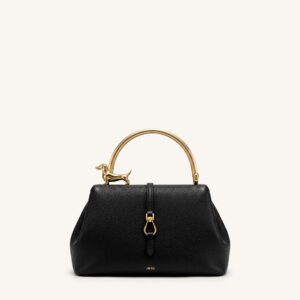
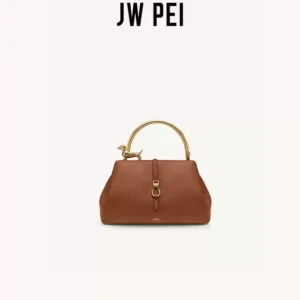
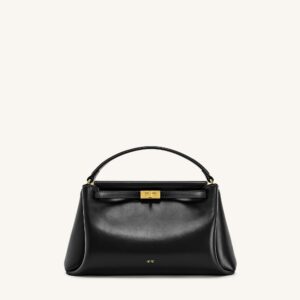
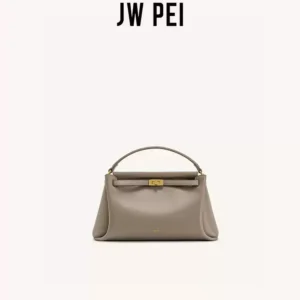
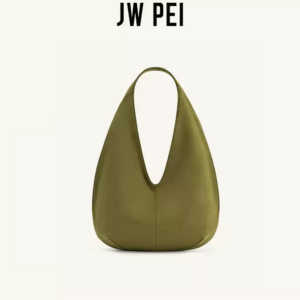
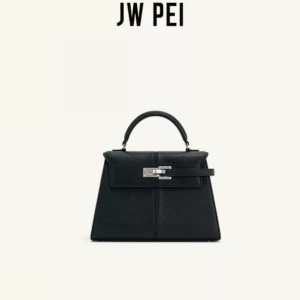
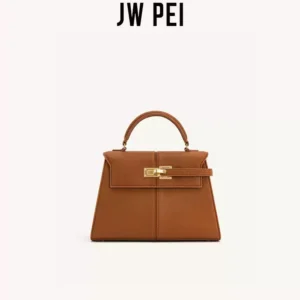
Choose a handbag around the way you carry it, the belongings you need and the shape you enjoy wearing. Compare top handles, shoulder straps and detachable straps where offered, then check the dimensions, opening and closure. Structured and softer silhouettes can feel different in use, and internal layouts affect how easily you find small items. Use the product details to assess each design rather than judging capacity from photographs alone. Browse the selection below to find a combination of form and everyday function.
Find a handbag that fits your routine
A useful starting point is your preferred carrying position. Consider how often you want your hands free, how much you carry and whether you regularly switch between a short handle and a longer strap. Check the carrying options listed for the individual design, including whether a strap is detachable or adjustable.
Compare shape, access and usable space
- Dimensions: Measure your everyday essentials, including cases and pouches. Compare their sizes with the stated interior dimensions and opening where available.
- Silhouette: Consider how the bag sits beside your body and whether its base suits the items you carry. Photographs can help show proportions, while measurements provide a more dependable size reference.
- Closure: Review the fastening and opening. Think about how often you reach inside and whether you need belongings to stay contained when moving.
- Straps and handles: Check handle drop and strap length. Allow for your usual clothing and the position in which you want the bag to rest.
Finally, look at the internal layout. A main compartment may suit pouches or an organizer, while smaller pockets can give keys and cards a consistent place. Choose the arrangement that works with what you already carry, and consult the product information for material and care details.
For a roomier everyday format, explore tote bags and our everyday tote buying guide. If carrying across the body suits your routine, compare crossbody bags. Read crossbody vs shoulder bags for a closer look at carrying position and access.