
Blog
How to Choose a Travel Purse
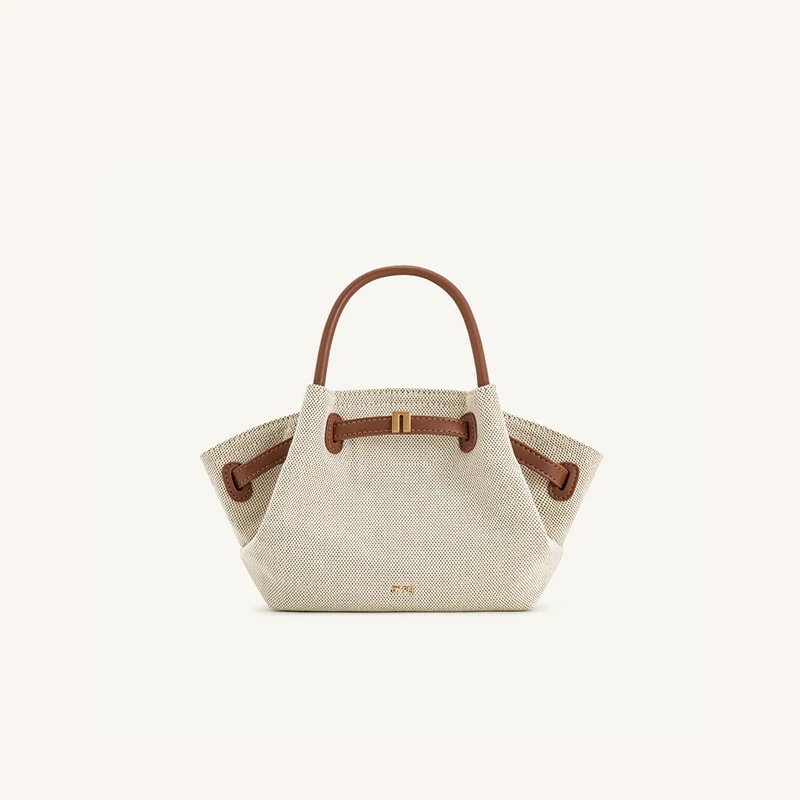
A travel purse is where you keep the small things you need while your main luggage is out of reach. Work through a real stretch of your trip before choosing one: arriving at the station, showing a ticket, paying for something and finding your hotel key. Think about what you reach for at each stop and what can stay in the larger bag.
Plan one pocket for each repeated task
Give your phone and ticket a place you can reach without unpacking the main compartment. Decide where a passport or spare card can stay until you need it, then check whether that space fastens. Use a pouch for loose items, and include the pouch in your size check.
| Your day | What to check |
|---|---|
| Station or airport transfers | Fit for your passport and phone case, plus easy access when you have luggage in one hand. |
| Sightseeing with several stops | A strap that sits comfortably on your usual jacket, and enough space for the items you bring out each time. |
| A day with extra layers or a device | A small bag for frequent-use items paired with a larger one for the rest. |
Test the opening and strap with your usual clothes
Measure the widest item you want to take out repeatedly and compare it with the usable opening. A curved body, narrow zip or fixed divider can affect what goes in and how it comes out. Load a bag you already own with the same items to estimate the depth you need.
Put on your usual outer layer and see where the strap places the bag when seated and standing. If you expect to carry a backpack at the same time, try both straps together. Check that you can open and close the purse with your usual hand and that the closure is easy to reach in that position.
Compare compact and two-bag setups
The JW PEI Hana Mini is an example of a compact crossbody with card slots and a side pocket listed in the product details. Check its dimensions against the phone, passport or case you carry. The JW PEI Avery is a drawstring backpack to compare if you prefer keeping larger items in a separate bag.
Start with the crossbody selection for a smaller bag, or compare backpacks if you need room for layers or a device. Our crossbody and shoulder bag guide explains how carrying position affects access.
What to pack in a travel purse
Start with what you will reach for between your front door and your destination. A short checklist is enough for most trips.
- ID and tickets: Take the ID your trip requires and any paper ticket you need. Keep loose documents in a pocket or sleeve that closes.
- Phone and payment: Bring your phone and the card or cash you expect to use. Save your ticket, destination address and directions for offline access if you may lose service.
- Keys and one small extra: Take the keys you will need at either end of the trip. Add something you expect to use before reaching your luggage, such as a slim packet of tissues or earbuds.
Pack those items and check that you can reach your ID without pulling everything out. The JW PEI Carmen has a clasp opening to compare with the width of your document sleeve. The JW PEI Leia has an inner slip pocket you can use for a payment card. Leave bulkier extras in your larger bag if they make the purse hard to close.
How we put this guide together
The examples use the published listings for the JW PEI Hana Mini, pictured, and the JW PEI Avery. We use them to illustrate a compact purse and a separate bag for larger belongings. Compare the selected model against the dimensions of the phone, passport cover and other items you carry.
Read the MEMOO Editorial Standards.